What makes a card valuable?
Same character, very different counts
Charizard has been printed in many sets, and the set and print run make a huge difference. For the Base Set Charizard alone, PSA has graded more than 92,000 Unlimited copies but only about 5,300 to 5,800 1st Edition copies (tracking sites differ), and only about 125 of those at a perfect 10. See the full numbers on the Base Set page.
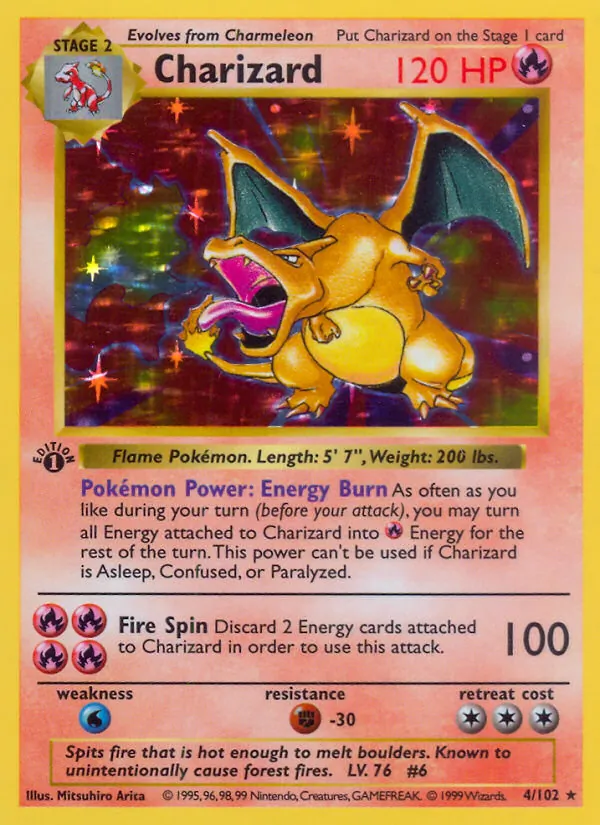
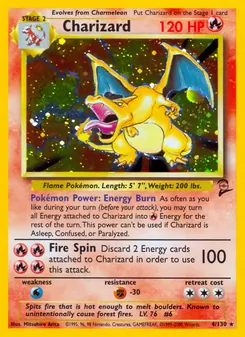
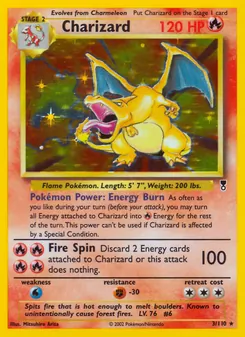
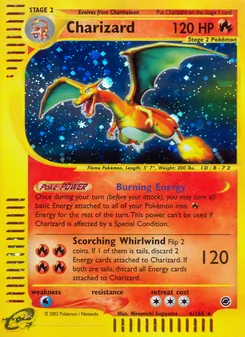
Card, pack and box images © Pokémon / Nintendo / Creatures / GAME FREAK (and Wizards of the Coast for 1999-2003), shown for identification only.
Go deeper: the banknote comparison, a bit deeper
A £20 note is backed by a central bank, so its value is stable. A card has no one backing it: its value is set by collectors buying and selling, so it can go up and it can go down. That is why this guide never tells you what to buy. It helps you understand what you are looking at.
Education only, never financial advice. Past prices do not tell you future prices.